

 English


We partner to make the world cleaner, safer and healthier -
helping customers succeed while protecting people and the resources vital to life.


Helping people thrive by protecting their individual health, the food they eat and the spaces where they live and work.

Helping the planet thrive by protecting the earth's climate and its most valuable resource: water.

Helping businesses thrive by protecting their reputations and their bottom line.
Latest News
Water is Key to Our Existence.
At Nalco Water, we empower operations around the world to protect this most vital resource. We partner with companies across a wide range of industries, working side by side to develop solutions for their specific water needs and business goals.
Light Institutional
Markets
Featured Video
Clean Water for Future Generations
Watch as John Holden of the nationally syndicated Discovery Channel series "Earth" visits Naperville, Illinois to investigate how Nalco Water is helping companies save water for our planet.
Customer Success Stories
Learn more about how we help solve our customer's challenges
Featured Innovations
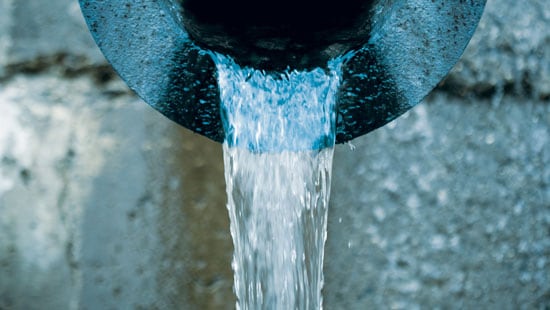
Water Flow Intelligence
Water Flow Intelligence helps uncover water savings opportunities via real-time visibility of usage at multiple levels. The result is prescriptive water savings goals and a clear path to deliver on them.
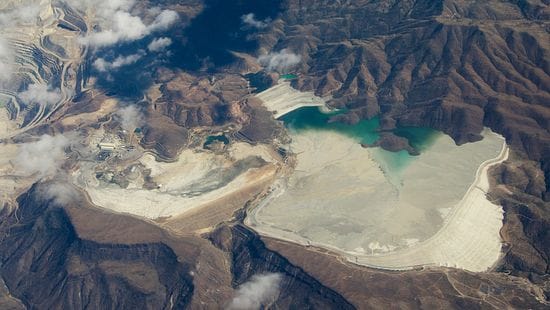
WaterShed Tailings Dewatering Technology
WaterShed technology allows the mining industry a higher degree of operational flexibility and significantly lower start-up costs than a traditional tailings management solution.

OMNI™
OMNI is a comprehensive asset management program that provides insight into asset performance. Use historical and real-time data to help predict and prevent issues, keeping your operation running optimally.

REFINED KNOWLEDGE™
Maximize performance and profitability in your refining and petrochemical operations with reliable smart data and access to your system from anywhere, anytime. Refined Knowledge, powered by ECOLAB3D™, drives performance in downstream operations, delivering insightful data in real time to reduce risks and optimize assets.

Paper Strength Technologies
Nalco Water knows wet and dry strength is critical to papermaking. Our paper additives enhance tissue and paper strength while reducing costs and improving press dewatering.
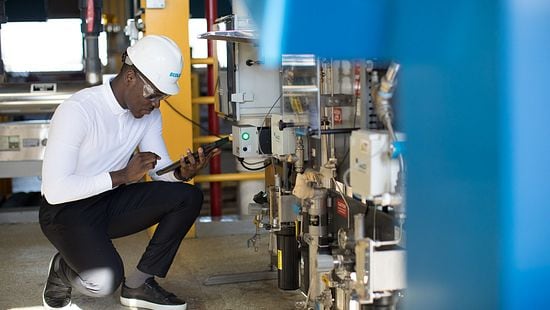
Automotive Managed Operations
Nalco Water can maximize an automotive plant’s operating efficiency by providing on-site managed operations experts in process management, chemical management and engineering solutions.
Video Gallery
Purate™ Chlorine Dioxide Systems
Purate Chlorine Dioxide Systems help safeguard your cooling system from bacterial growth, and can improve your energy efficiency by improving heat exchange.
3D TRASAR™ Solid Cooling Water Program
We’re reinventing the way water is managed with our new fit-for-use solution for cooling water management, 3D TRASAR Solid Cooling Water Program. This new program delivers increased safety, a smaller facility footprint, and reduced packaging waste.